
Analysis of metal plate burnout technology and its application in glasses
| ACETATE | METAL | TITANIUM | SUNGLASSES |
| KIDS | TR | RIMLESS | CLIP ON |
As a professional glassesmanufacturer we often come into contact with difterent customers and meet their diferent needs, Recently, there was a customer whoalways asked us to find antique metal colors for them and apply them to their metalalasses and titanium glasses.
Why do modern people like antiques so much? Beauty is not a kind of aesthetics that can be fixed, and aesthetics is not a fixed beauty.The definition of beauty is vague. it exists naturally, and there is no fixed rule. Many things handed down from ancient times areiascinating for a reason, Of course, there were some bad desians and ideas in ancient times, But in comparison. the ancients were calmer and more focused than modern people. They often said that"wisdom comes from silence", and this wisdom is well reflected intheir works,Many of the thin as they made are close to their Ue exoression of their self state. accidentally saw a picture of a pair of glasses on the lnternet, and l fel in love with it at first sight. its simplicity and purity came to myface, and it has remained pure after a long time. But from the design and welding process of the glasses, it is obviously a product of these years. Finally, who works in an electroplating factory told me that this is the metal plate burnout process. Then,l started to search on the internet and sorted it out for everyone to share.
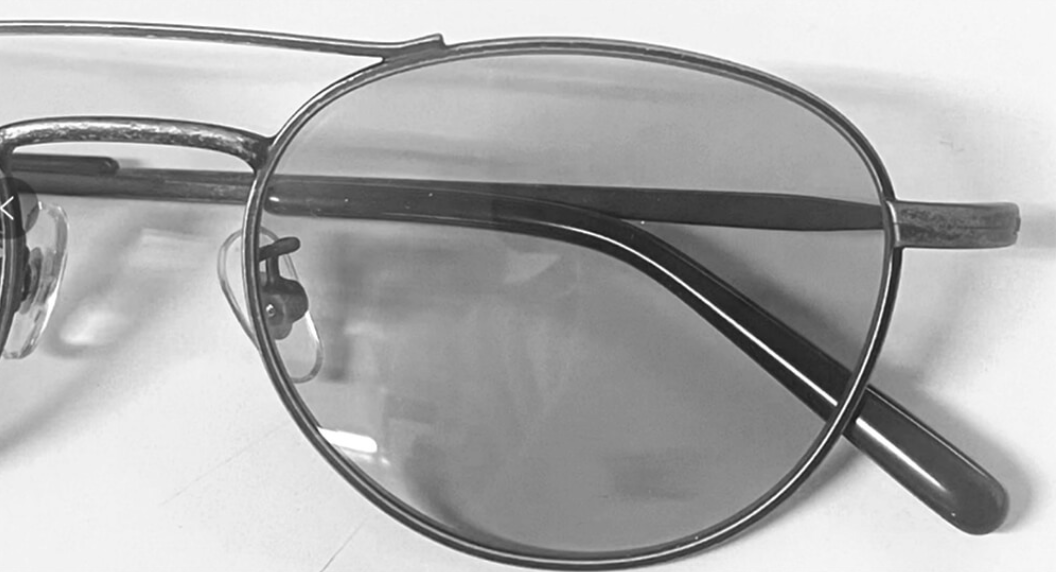
As an important branch of modern metal surface treatment technology, the metal plate roten process combines traditional carving techniques with industrial precision processing characteristics and is widely used in architectural decoration, art installations, high-endnome furnishings and other tields. lhis article systematically discusses the process principle, technical process, application scenarios and innovation dlreclon from ou dimensions aiming to provide practitioners with a reference both theoretical and practical value.
1.Process principle and technology tracing
The metal plate roten process is essentially a processing method that forms a concave and convex texture on the metal surface by chemical corrosion or physical etching. its history can be traced back to the ancient chinese bronze engraving process. For example, the gold and silver inlay process in the Warring States Period has shown the prototype of layered corrosion. On the basis of inheriting the tradition, the modern process introduces photosensitive resist exposure technology to achieve the industrial production standard of pattern transfer accuracy of +0.05mm.
The core of this process is to accurately control the corrosion depth and texture boundary. Taking 304 stainless steel as an example,diferent concentrations of ferric chloride solution need to be matched according to the thickness of the plate (usually 0.8-3mm). the temperature needs to be constant at 25+2, and the corrosion rate is controlled at 0.03mm/min. Through the multi-layer mask superposition technology, a relief pattern with a three-dimensional light and shadow effect can be produced.
2 Analysis of standardized production process
2.1Drawing diqital processing stage
Desingers need to import vector graphics into AutoCAD for line optimization and eliminate details less than 0 3mm to prevent corrosion and fractrure. For gradiant efiect processing, grid density grading technology is reguired to ensure a smooth transition from 100 lnes/inch to 300 lines/inch.
2.2 Plate pretreatment process
Select stainless steel plates with 2B surface accuracy, and perform electrolytic polishing after alkaline degreasing (NaOH concentration8%-12%, temperature 60'c). The key parameters include curent density 15A/dm2, processing time 3 minutes, and a mirror substrate with Ras below 0.1um can be obtained.
2.3 Photolithography transfer link
Apply a photosensitive layer with a thickness of 20um, and use a 365nm wavelenath UV light source for exposure. and the exposure amount is controlled in the range of 800-1200mj/cm2, The development process uses 1.2% sodium carbonate solution. the temperature is maintained at 30°C,and the development time is accurate to 45+5 seconds.
2.4Step-type etching processing
The first round of etching depth is set to 70% of the total depth, and a spray etching machine is used to ensure the fluidity of the solutionIntermediate cleaning is regquired before the second etching, and ultrasonic vibraion (frequency 40kHz) is used to remove etching residues. The final surface roughness should meet the design requirements of Rz10-50ym.
3.Typical application scenario analysis
In a high-end commercial complex project in Hangzhou, the designer used a multi-level rotten flower process to reproduce the ink painting artistic conception of" Fuchun Mountain Residence" on a 6mm thick copper plate. By controling the corrosion depth diference to form a three-dimensional layer of 0.1-08mm, combined with the alternating distribution of matte and mirror areas, a dynamic visual effect is presented under natural light.
The latest application in the field of automotive interiors shows that aluminum alloy panels processed by laser-assisted rotten flowertechnology can achieve diamond patterns with a precision of 50ym. After anodizing and coloring, the surface hardness reaches HV400.and the wear resistance exceeds 20,000 times (Taber test standard), perfectly balancing aesthetic and functional requirements
4.Technological innovation and development trends
The current industry is making breakthroughs in the direction of intelligence and environmental protection. The visual positioning systemdeveloped by a Shanghai company captures the edge deviation of the plate through a CcD camera and cooperates with a six-axis roboticarm to achieve a positioning accuracy of t0.0imm. in terms of environmental protection, the bio-based etching iguid developed byNanjing University of Technology reduces the COD emissions of traditional processes by 82% and the processing cost by 35%I is worth noting that the rise of composite processing technology. Combining the rotten flower process with PYD coating can form ametal-ceramic gradient effect on the same workpiece surface. The watch case of a luxury brand uses this technology to present a starrysky transition texture on a titanium alloy base, with a market premium rate of 300%
The continuous evoluion of the metal plate rotten flower process confirms the huge potential of the integration of raditional skills andmodern technology. lf this process is to be applied to alasses, it is necessary to master the core process parameters while focusing orinter disciplinary technology integration, so as to seize the market opportunities in the era of personalized customization. in the future.with the maturity of nanoimprinting technology, metal surface decoration will break through the existing scale limitations and usher in anew era of micro-nano aesthetics.
Antique glasses can give people a classic and elegant feeling. People often like old objects, such as some ancient metals, whichrepresent the continuation of life and respect for life. Regarding the metal glasses with metal burnt flower technology mentioned in thisarticle, l wonder if there are deeper psychological factors besides the superficial reasons, such as the pursuit of uniqueness or theexpression of personal taste. For eyewear manufacturers, it is not only necessary to manufacture high-guality glasses, but also to provide diferent surface processes for customers to refer to. lf you have any needs and ideas in this regard. please tellus and let us create different glasses together!
 Why Titanium Eyeglass Frames A
 How to identify real carbon fi
 Are carbon fiber glasses a lux
 Analysis of metal plate burnou